The Rise of Autonomous Inspection Robots
Industrial environments demand relentless vigilance. A missed crack in a pipeline, an overlooked temperature spike in a transformer, or undetected corrosion on a storage tank can cascade into catastrophic failure, environmental damage, and staggering financial losses. Traditional inspection methods—manual patrols, clipboard checklists, and occasional drone flyovers—struggle to deliver the consistency, data richness, and safety standards modern operations require. This is where the Autonomous Inspection Robot enters the picture, redefining how facility managers approach asset integrity.
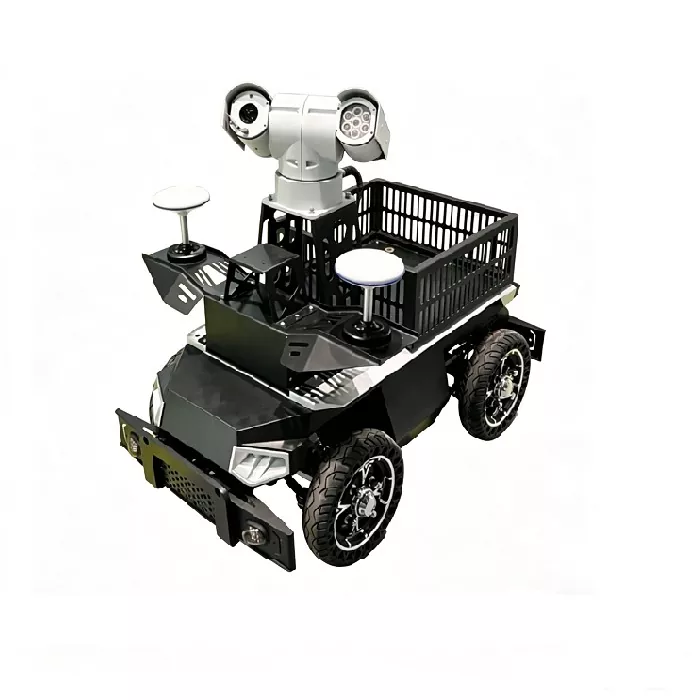
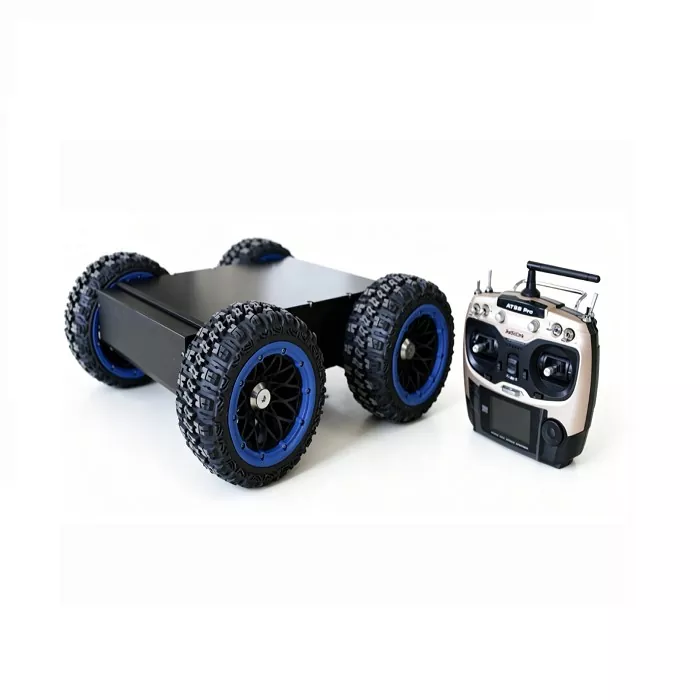
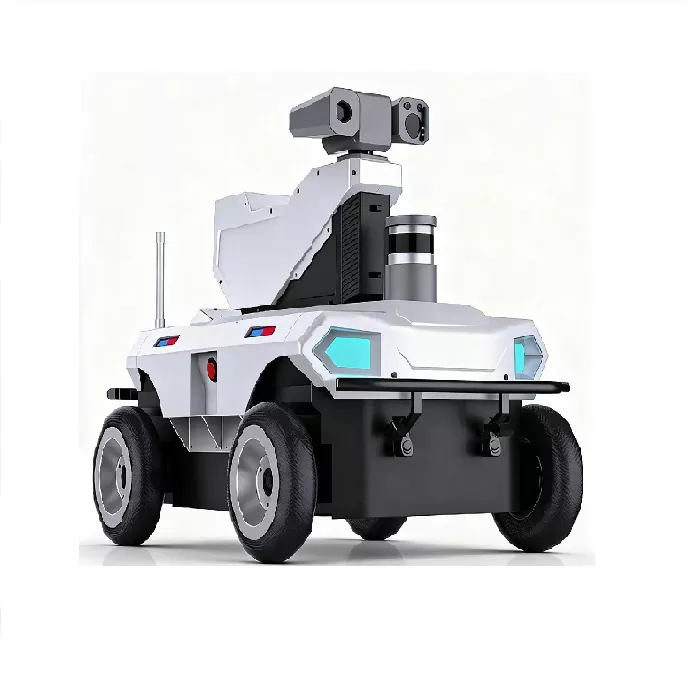
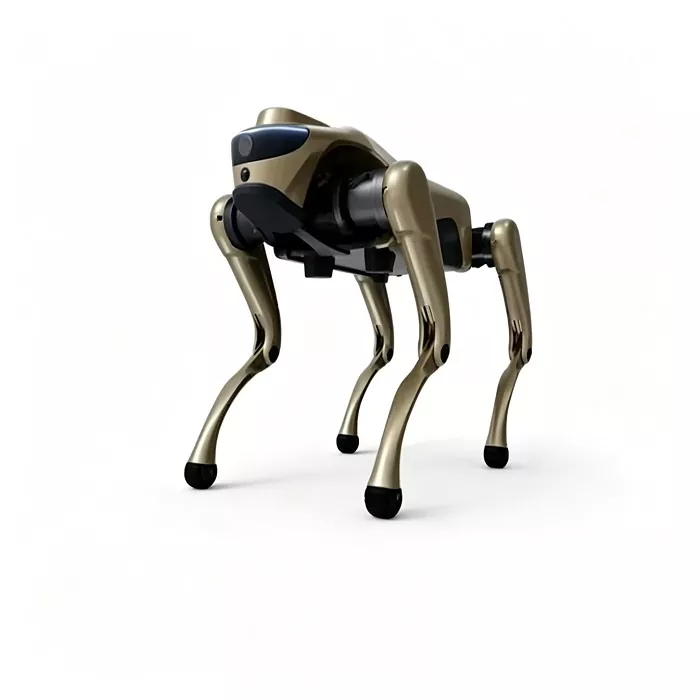
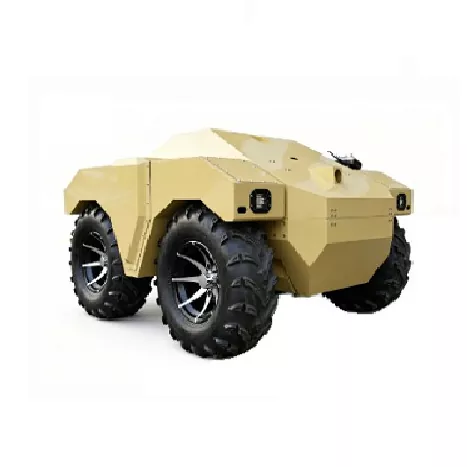
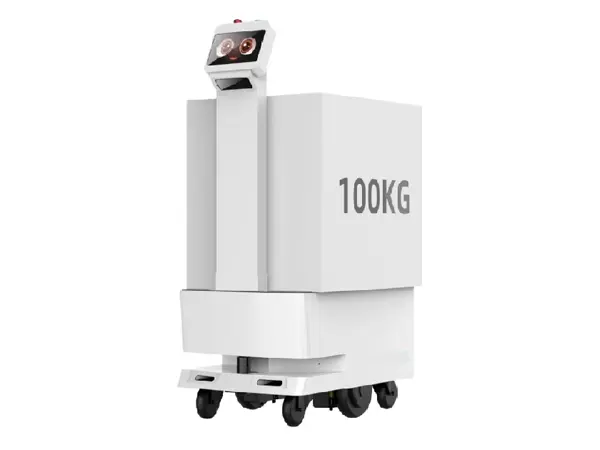
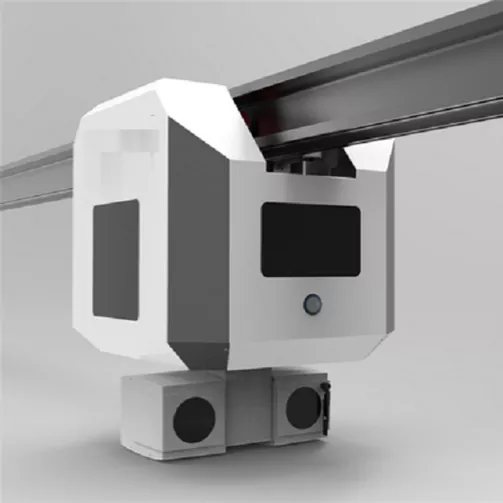
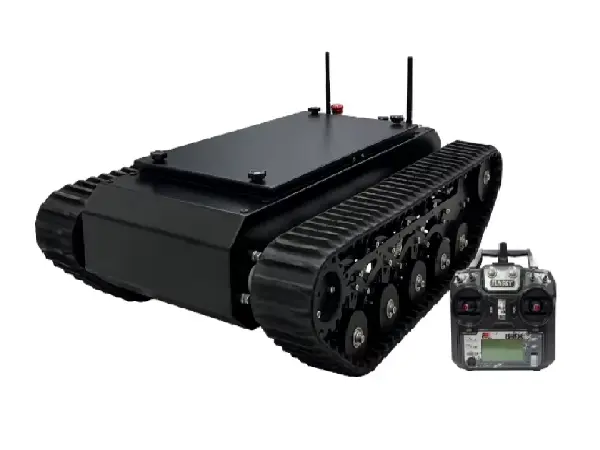
An Autonomous Inspection Robot is not merely a mobile camera. It is a self-navigating, sensor-laden platform engineered to traverse complex industrial sites, collect multi-modal data, analyze it in real time, and flag anomalies before they escalate. By merging advanced robotics with artificial intelligence, cloud connectivity, and ruggedized hardware, these systems eliminate the dull, dirty, and dangerous aspects of inspection work while drastically improving data accuracy and coverage. At Weide, we have pushed this concept to its full potential, delivering a solution that adapts to power plants, refineries, chemical processing facilities, mining operations, and large-scale manufacturing plants with equal finesse. Our Autonomous Inspection Robot series includes products such as Autonomous Inspection Robot, Quadruped Robot Dog, and others.
What Makes Weide’s Autonomous Inspection Robot Different
Weide brings two decades of robotics engineering and field-proven deployment strategies into every unit. Our Autonomous Inspection Robot is built from the ground up with a modular architecture that allows clients to tailor sensor payloads, navigation methods, and data pipelines precisely to their operational landscape. Unlike generic platforms that force a one-size-fits-all approach, Weide’s system understands that inspecting a substation is fundamentally different from monitoring a petrochemical tank farm. The flexibility starts at the hardware level and extends through a customizable AI analytics suite that learns the specific baseline of your facility.
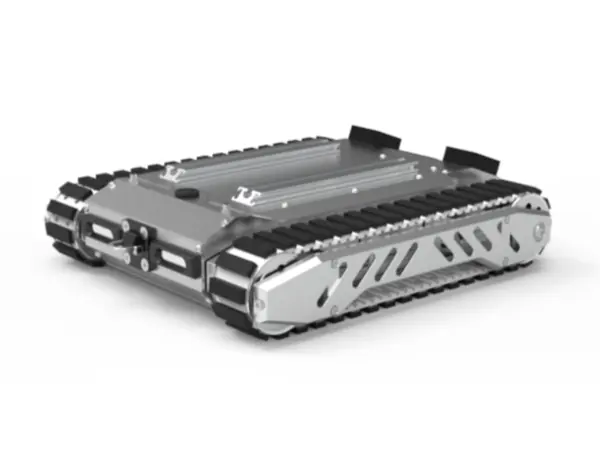
Key differentiators include true all-weather operation with an IP66-rated chassis, simultaneous localization and mapping (SLAM) that requires no external beacons, and a hybrid power system combining high-density lithium batteries with opportunity charging that keeps the robot operational across shifts. The onboard edge computing unit processes visual, thermal, acoustic, and gas sensor data locally, sending only actionable alerts and compressed trend data to the control room. This architecture cuts bandwidth requirements, eliminates latency in critical threat detection, and allows the Autonomous Inspection Robot to function even during network interruptions.