Patrol operations are essential for maintaining safety and operational stability in industrial sites, campuses, and
infrastructure facilities.
In practical scenarios, patrol tasks are repetitive and require consistent execution along predefined routes. However,
manual patrols often lack consistency due to human factors and environmental conditions.
In large or complex environments, it is difficult for human patrols to achieve high-frequency coverage, resulting in
blind spots.
Additionally, patrol activities are rarely recorded in a structured manner, limiting data-driven management.
These factors drive the transition toward automated patrol systems.
2. System Overview
This solution is based on a combination of:
Autonomous mobile robots
Multi-sensor perception systems
Communication and data transmission
Centralized patrol management platform
It enables continuous and automated patrol operations.
3. Patrol Execution System
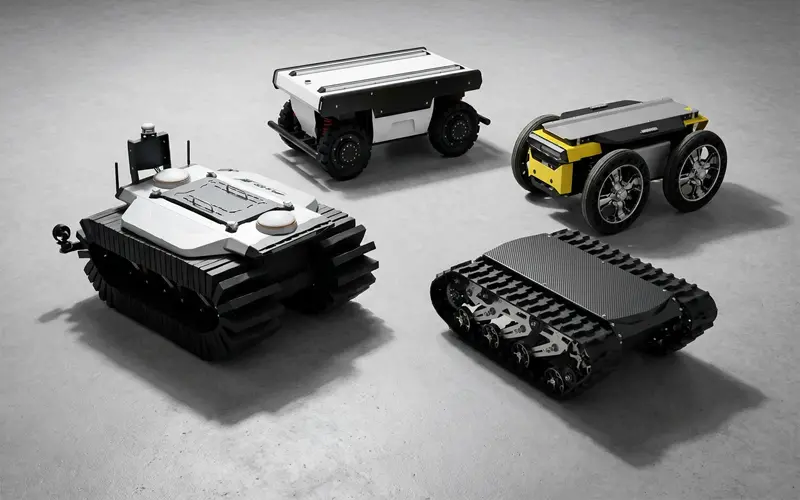
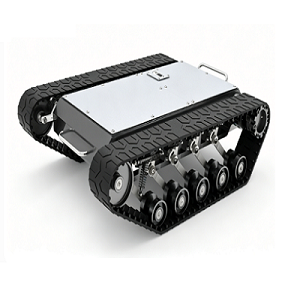
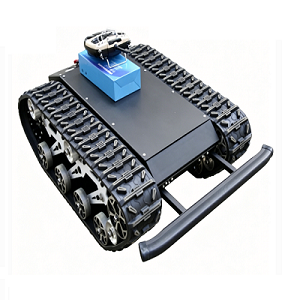
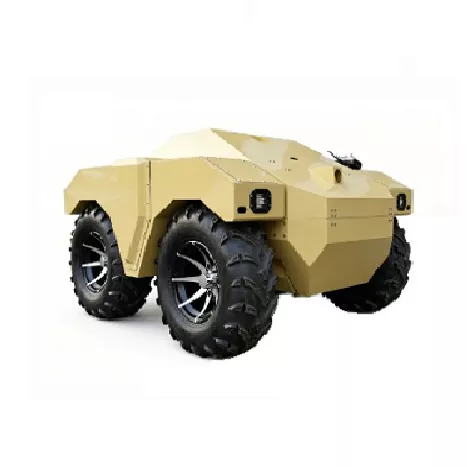
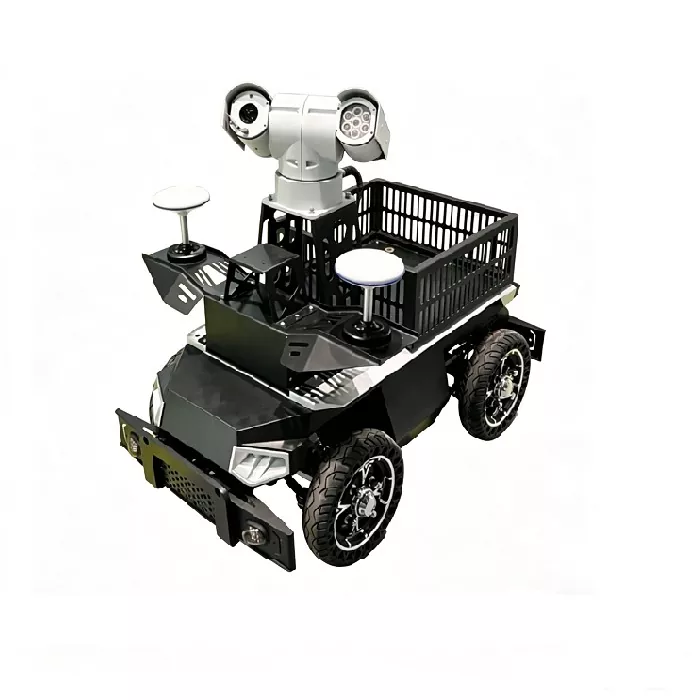
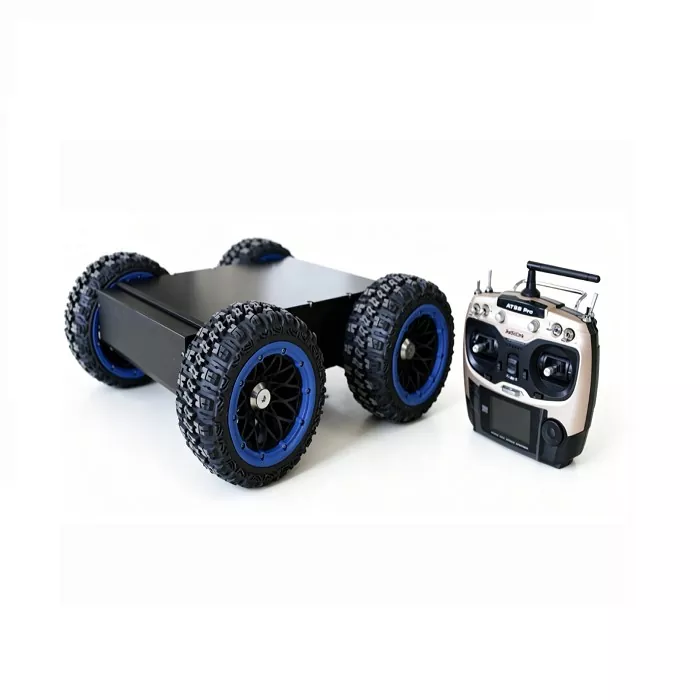
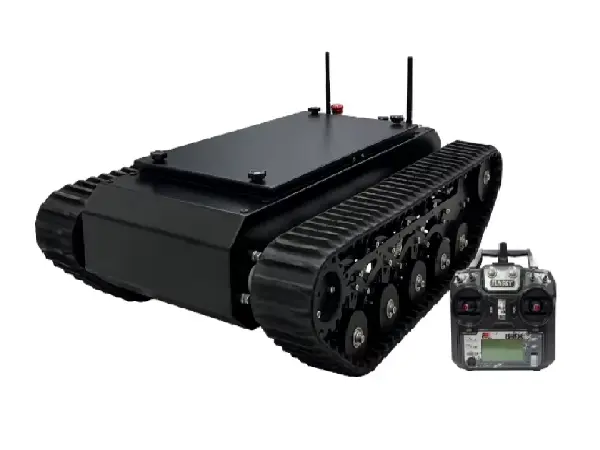
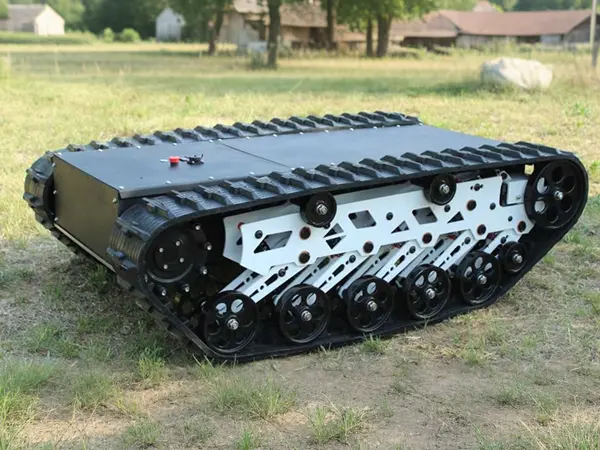
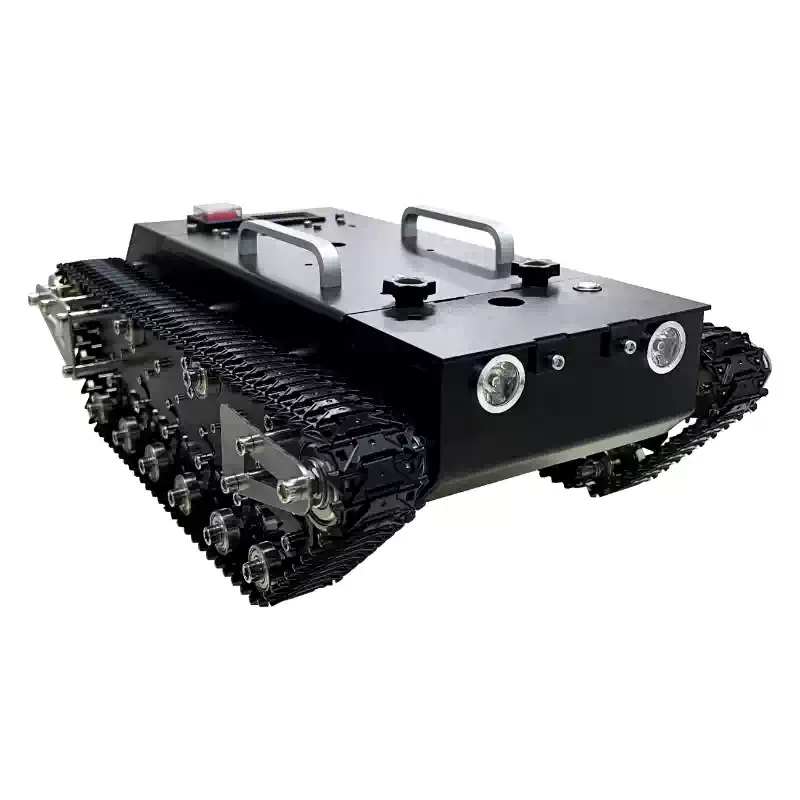
Mobile Robot Platform
The robot is designed for stable long-term operation in outdoor and semi-structured environments:
Autonomous navigation capability
Stable movement across varied terrain
Day and night operation
Continuous route-based patrol
Perception & Detection System
The system integrates multiple sensors:
RGB cameras for visual monitoring
Thermal imaging for night and temperature detection
LiDAR for mapping and obstacle avoidance
Optional acoustic and vibration sensors
Navigation & Obstacle Avoidance
SLAM-based mapping
Predefined route execution
Dynamic obstacle avoidance
Task scheduling and route switching
Communication & Remote Control
Real-time data transmission
Remote task management
Manual override capability
Multi-device coordination
4. Operational Logic
The system operates based on predefined patrol workflows:
The patrol area is first mapped and segmented. The robot then executes patrol routes while continuously collecting
data.
When anomalies are detected, alerts can be triggered and recorded.
After completing tasks, the robot returns to a charging or standby station.
5. Application Scenarios
Industrial parks and campuses
Energy and utility facilities
Warehouses and logistics hubs
Infrastructure monitoring
Night-time or unmanned zones
6. System Value
Standardized patrol execution
Reduced reliance on human labor
Improved safety
Increased patrol frequency
Data-driven management
7. Scalability
Multi-robot coordination
Integration with drones
Security system integration
Data analytics and AI upgrades
8. Conclusion
The autonomous patrol system transforms traditional manual patrol operations into a structured, automated, and
data-driven process, enabling more efficient and reliable site management.
نحن نستخدم ملفات تعريف الارتباط لنقدم لك تجربة تصفح أفضل، وتحليل حركة مرور الموقع، وتخصيص المحتوى. باستخدام هذا الموقع، فإنك توافق على استخدامنا لملفات تعريف الارتباط.
سياسة الخصوصية